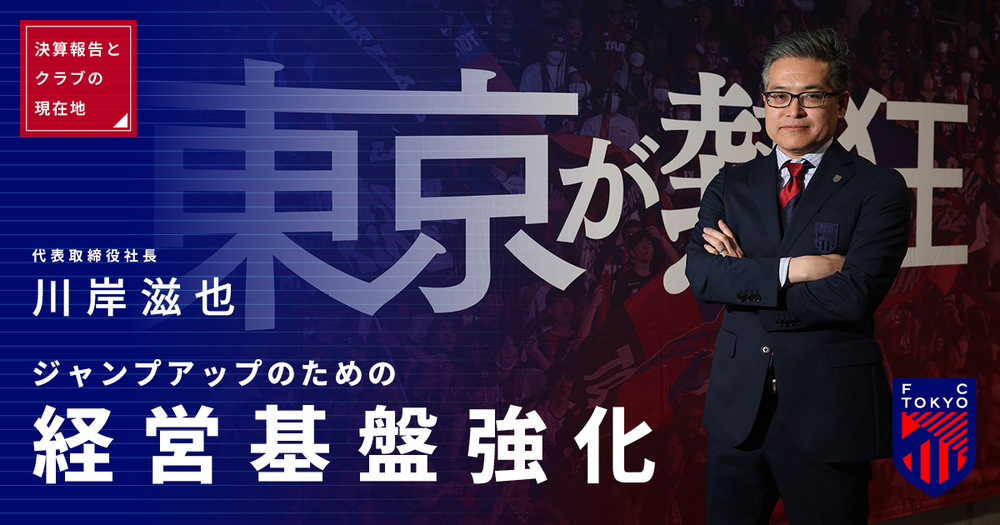


FC Tokyo's 2023 fiscal year financial report, announced on May 21st. The operating revenue reached a record high of 5.929 billion yen, achieving a growth of 660 million yen compared to the previous year. However, there is also the current situation of recording a deficit for the fourth consecutive year.
What kind of efforts were made there? And what is the current state of the club, looking towards a complete recovery from the pandemic and the future?
In the first part, we spoke to President Shigeya Kawagishi about the background of record-high sales and four consecutive years of deficit, as well as the support for the drastically changed academy.
Coverage and Composition = Kei Sato (Freelance Writer)
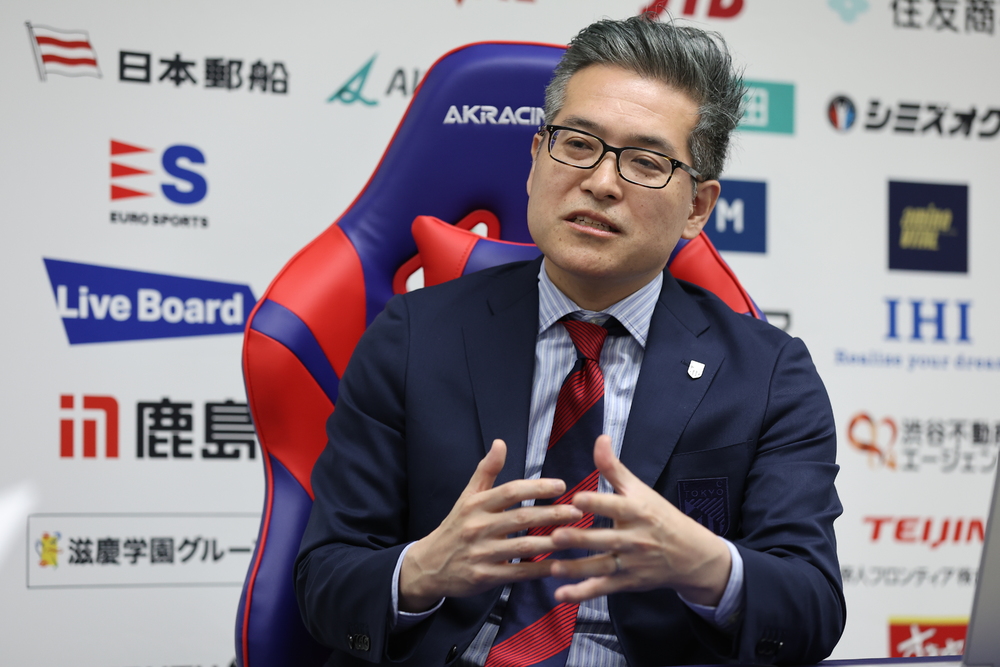
──The financial results for the 2023 fiscal year have been announced. First, please tell us your thoughts on these figures.
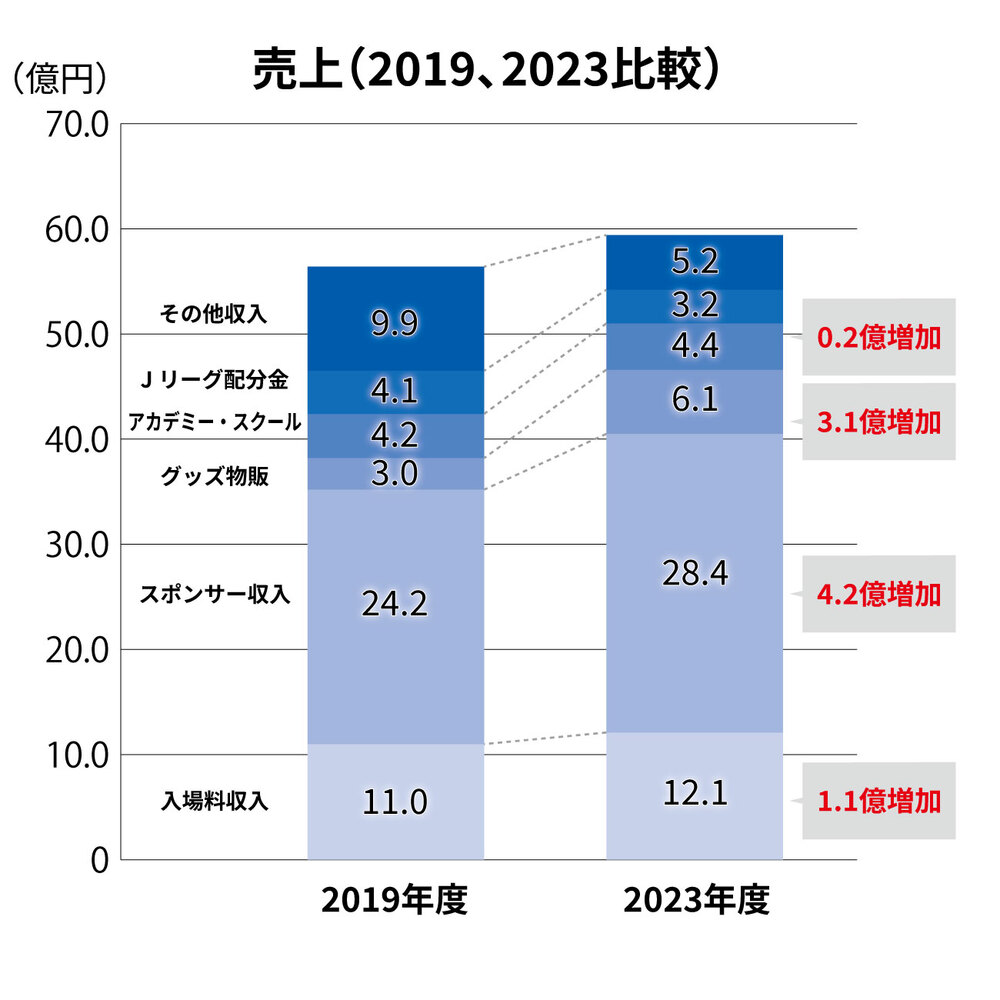
Kawagishi The sales figure is used to indicate the scale of the club's management. In the 2019 fiscal year before the corona, it was about 5.635 billion yen, but in the 2023 fiscal year it will be about 5.929 billion yen. We were able to increase it by about 300 million yen. It is also a record high for the club, and it means that we have exceeded the ceiling so far. We would like to thank not only the players, but also the team staff, club employees, fans and supporters, and partner companies.
──What is the reason behind achieving record-high sales?
Kawagishi It is not just one factor, but various efforts that are reflected in the numbers. We have focused on all segments (fields). First, how can we increase the largest advertising revenue? Regarding ticket revenue, how much can we grow it as we recover from the pandemic? And then there is merchandise revenue. Previously, FC Tokyo’s merchandise revenue was about 300 million yen (as of the 2019 fiscal year before the pandemic), which was among the lower figures in the entire J1 League. The same applies to the school business. Previously, it was promoted in the context of outreach activities, but we changed our perspective to properly view it as a school business. We believe that these multifaceted improvement efforts have produced results.
──The core advertising revenue was 2.84 billion yen.
Kawagishi It increased by about 300 million yen compared to the previous year. It has been two years since I became president, and I believe that by reviewing and organizing the sales system to take responsibility for the target figures, we have achieved certain results. Including SOCIO (annual ticket) sales, ticket revenue grew from about 900 million yen the previous year to 1.2 billion yen. Merchandise revenue had reached 400 million yen as of the previous year, but in the 2023 fiscal year it exceeded 600 million yen. This is thanks to the efforts of each person in charge.
──Were there any common points of improvement across each segment?
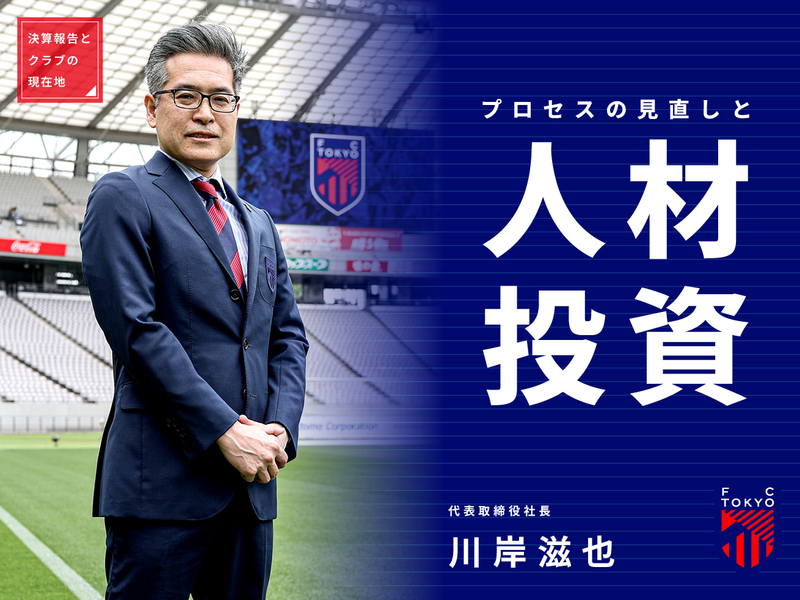
Kawagishi has been working on a thorough review of processes and investing in human resources. In particular, we are actively investing in our personnel. As I became the president of the football club, I realized that without people, we cannot produce results and cannot grow the club. We see investing in increasing our excellent staff and nurturing talented individuals as an investment, and we are actively working on it. We may not be a large company, but we have already increased our business department staff by 10 people. However, to be honest, I did not expect the overall numbers to grow this much in just 2 years.
──Do you also feel a change in the awareness of employees and staff?
Kawagishi I feel it every day. I send a clear message asking everyone to think about "why we do each task." The ' FC Tokyo VISION 2030 ' formulated last March is a guideline to align the direction of each individual, and as a result, the managers of each department have organized what kind of numbers they should aim for and what efforts are necessary for that. I believe that everyone has worked diligently together and achieved the highest sales ever.
──What specific initiatives were undertaken to increase merchandise revenue, which was low even among J.League clubs?
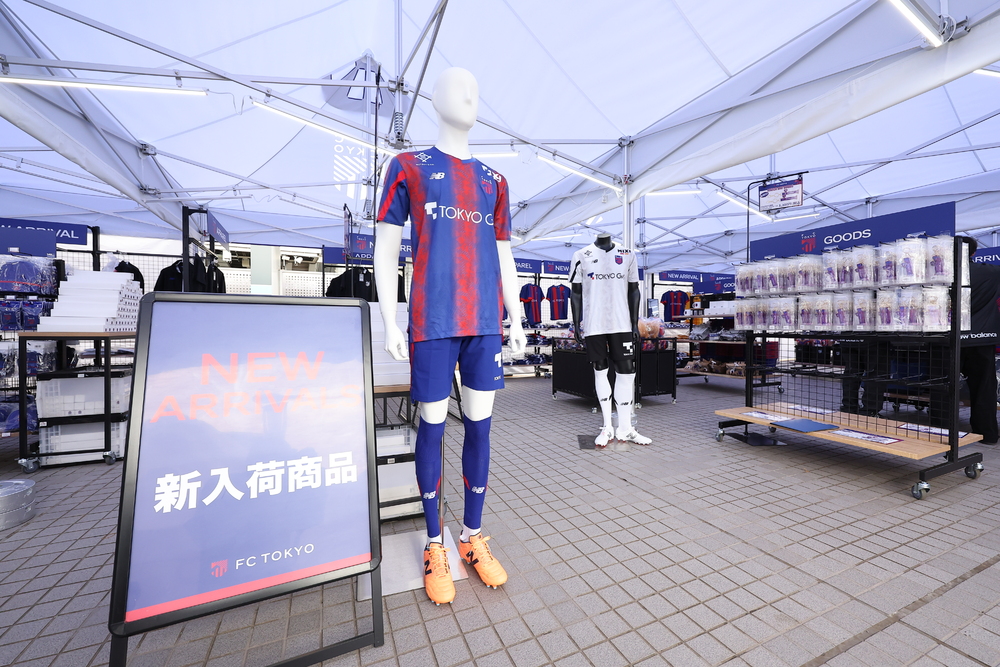
Kawagishi First, we talked about changing the mindset. For example, regarding the sale of uniforms. Previously, there was a mindset to avoid ordering too much due to fear of inventory risk, and it seems the person in charge struggled every season with the initial order quantity. However, uniforms should be items that fans can buy whenever they want. I told our fans and supporters that we should stop having situations where there is nothing available for sale when they visit the merchandise shop. This means we are willing to take on the risk of stocking products properly. If there are items available, sales will increase. Although there are still cases of stockouts, we are now ordering more products than last season and managing inventory risk accordingly.
──On the pitch, it is often said that "you cannot expect a big return without taking risks," but isn't it difficult to change the mindset to take risks on the business side?
Kawagishi As stated in 'VISION2030,' when we think about Tokyo becoming synonymous with FC Tokyo, we cannot move forward by shrinking back, nor can we ever reach that stage. Challenges are definitely necessary. Naturally, trial and error will occur in the process, but it is through that that we gain "awareness." Of course, we discuss how much return there will be, but the management team has firmly maintained a perspective that allows for tolerance and has proceeded with that mindset.
In addition, what was significant was becoming a subsidiary of MIXI. Previously, Tokyo Gas was the parent company and provided support, but in terms of capital relationship, the club was not independently managed and could not absorb losses. However, in discussions with MIXI, if we can explain it properly, it is considered acceptable to even create a business plan with a deficit. In that sense, for the fiscal years 2023 and 2024, we are also planning for a deficit, but MIXI will absorb that amount, so we can manage with confidence. In the past, we may have thought about what to do when the retained earnings run out or if we need to increase capital. Currently, our thinking is more focused on how to use the money rather than how to save it.
──In the financial report, the operating loss was approximately 96 million yen, and the final net loss was 228 million yen. Although this marks the fourth consecutive fiscal year with a deficit, can we consider these figures as planned, as explained earlier?
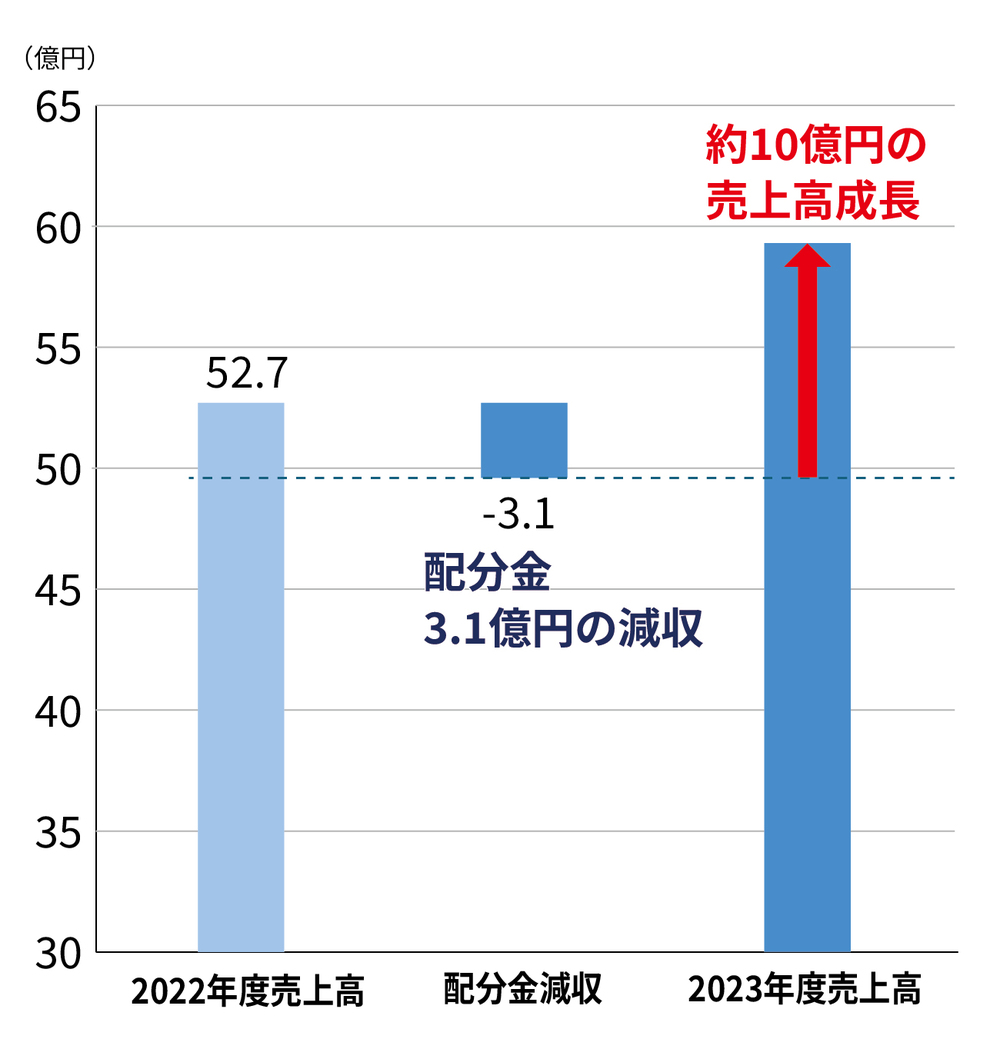
Kawagishi Yes. To explain the 2023 fiscal year financial results a bit more, first, there was a change in revenue assumptions. By finishing second in the Meiji Yasuda J1 League in the 2019 season, we received philosophy reinforcement distribution funds from the J.League for the following three seasons, amounting to 250 million yen, 250 million yen, and 200 million yen respectively. However, this ended with the 2022 fiscal year. Additionally, the equal distribution funds were also reduced by 110 million yen.
These changes in revenue were known before the start of the 2023 fiscal year, so it was important to figure out how to respond to them in the midst of changing "preconditions." The operating deficit for the 2022 fiscal year was 87 million yen, so if we add the decrease in distribution income of 310 million yen, it would result in a deficit of about 400 million yen if we were to do things normally. The management challenge for the 2023 fiscal year was how much we could recover from this 400 million yen deficit. As mentioned earlier, I explained that sales increased by 660 million yen compared to the previous year, but when taking into account the decrease in distribution income, it can be calculated that the club's actual strength increased by nearly 1 billion yen in sales. I think this number itself is a good one considering the current size and strength of the club, and it exceeded our plans by a large margin.
We also conducted impairment, but this is a form of recording costs in advance for the future. We implemented this in consideration of future prospects in order to increase management flexibility after fiscal 2024. There is no problem at all as the capital situation is also strong.
──There was talk about shifting the perspective of the school from outreach activities to a business. How about the academy? An initiative called Academy Supporters for fans and supporters has started.
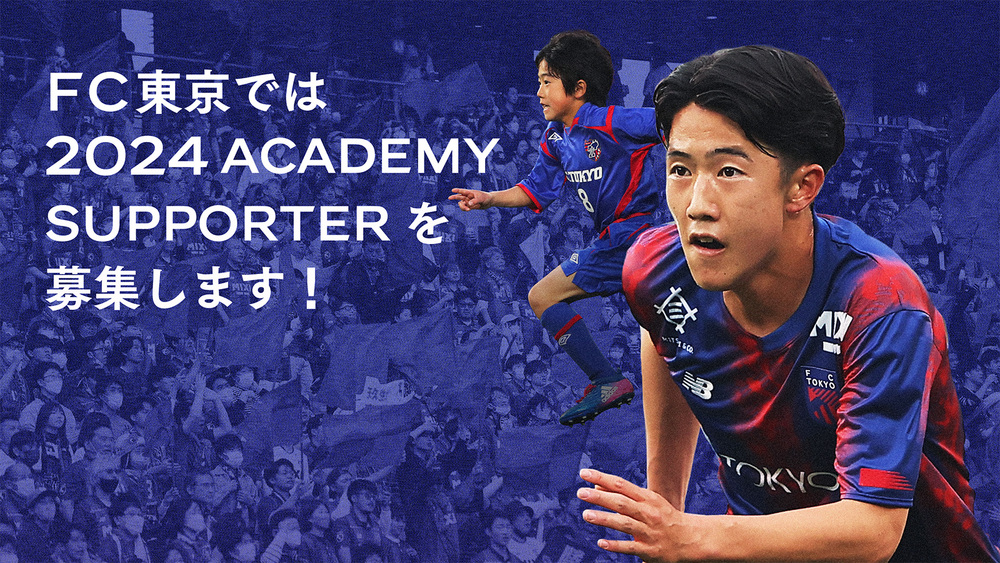
Kawagishi Until now, fans and supporters have supported the academy in the form of Club Support Members. However, in reality, it was a program close to a typical fan club organization. So, we adopted the idea of aligning the reality with the content and transformed the previous program into the OFFICIAL MEMBERSHIP. On the other hand, we also received voices expressing a desire to support the academy, and after much discussion on what form would be best, we have renewed it this time into Academy Partners and Academy Supporters.
──What are the differences between Academy Partners and Academy Supporters?
Kawagishi Broadly speaking, Academy Partners are for companies, while Academy Supporters are for individuals. We are moving forward while gathering various opinions on whether this structure is the best, but we have already received applications that are generally in line with our expectations, and I honestly think it is good that we have been able to start. To be frank, the actual costs of the academy activities are quite large, and if we look at that alone, it results in a significant deficit. In terms of nurturing players who will excel in the top team in the future, it is an important investment for the club, but on the other hand, while managing, it is also necessary to make efforts to expand the academy's activities while considering the deficit. By establishing a new program for those who wish to support the academy, we have started these initiatives to respond to that desire and to make the academy's activities more vibrant.
──Please tell us again what the academy means to the club. Last season, we received the J.League Best Youth Development Club Award for the third time in six seasons.
Kawagishi Tokyo has a large population and can be said to be one of the prefectures with the most children playing soccer. Not all current academy students are from Tokyo, but considering this fact, we believe we have a mission as the capital’s club to produce professional players. Looking at the J-League as a whole over the past few seasons, on average about 50 to 60 players per season who come from the FC Tokyo Academy are playing as professional soccer players. I think this is wonderful, and we also believe it is something we must maintain permanently as a strength of our club.
Currently, when looking at the top team members, there are many academy graduates and the club is in a very good cycle. In terms of team composition, this is a very desirable situation. When acquiring players from outside, it is often necessary to pay a penalty for contract termination, but if you develop players, this is not necessary. Also, if there are many academy graduates, when it comes to acquiring players from outside, you can also spend a lot of money. We believe that having academy graduates perform at the top level is beneficial in many ways.
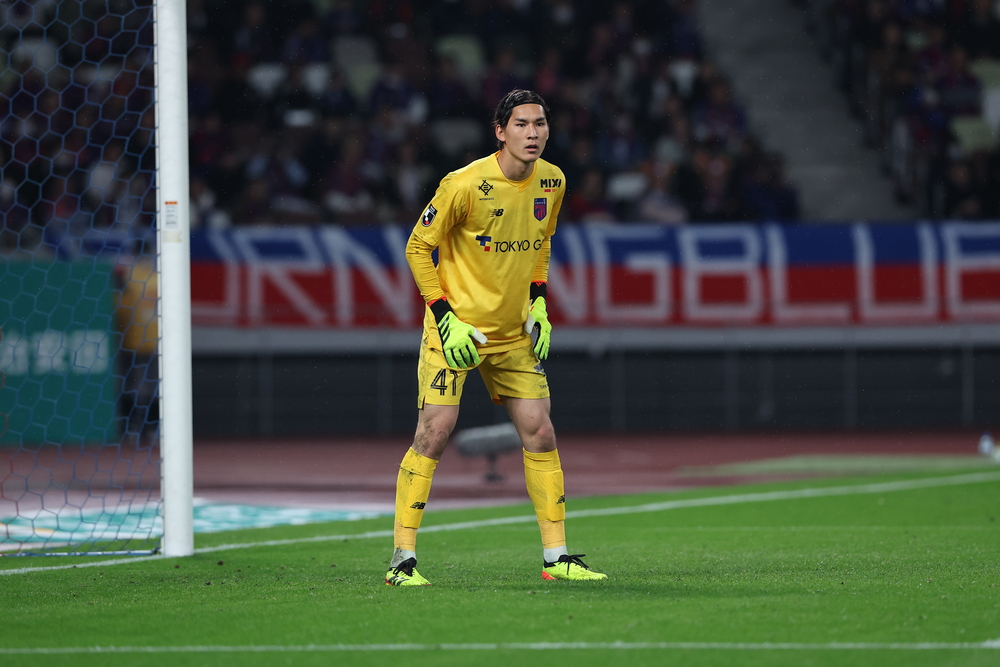
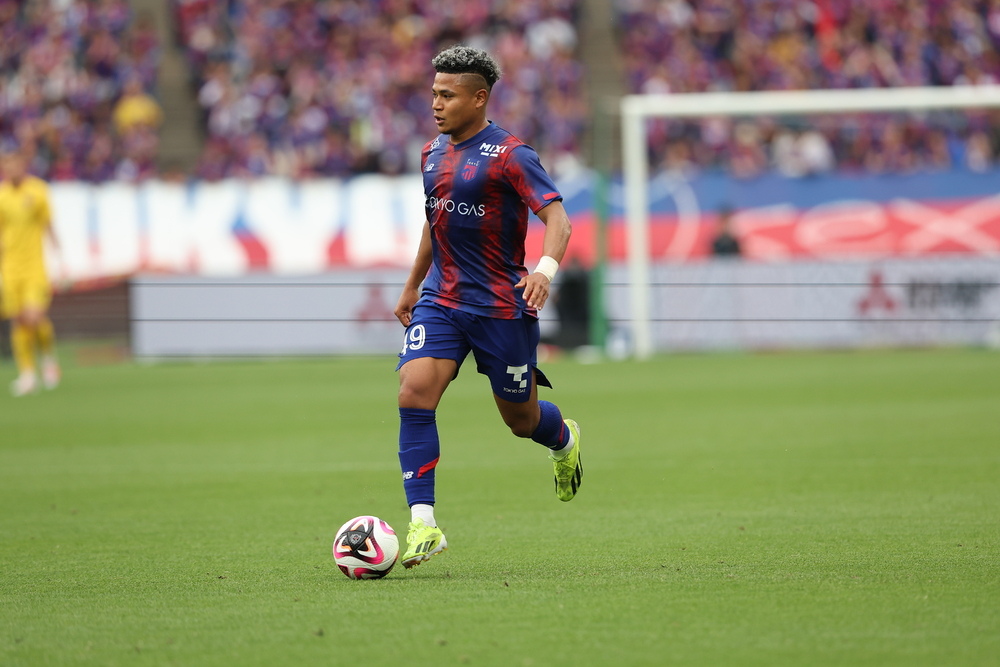
Kashif BANGNAGANDE
However, considering the structure of the world soccer community, the position of the J-League is not at the top. Players will inevitably aim for the top leagues in the world and there is a reality that they want to challenge overseas. Academy-trained players will also eventually have to go abroad. If that is the case, it is important for us to develop players and earn transfer fees. By reinvesting that money, it is extremely important for us to establish a cycle of developing players who can succeed in the world and growing the club.
The second part is here