


1/30Training
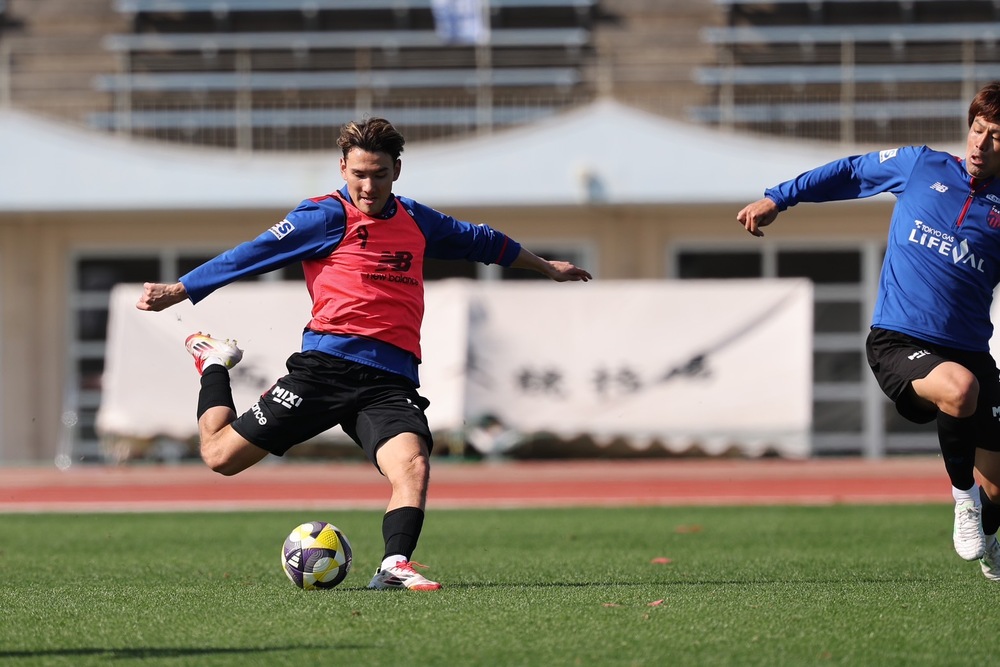
On the sixth day of the Okinawa Itoman camp, defensive checks were conducted at the Itoman Nishizaki Athletic Stadium.
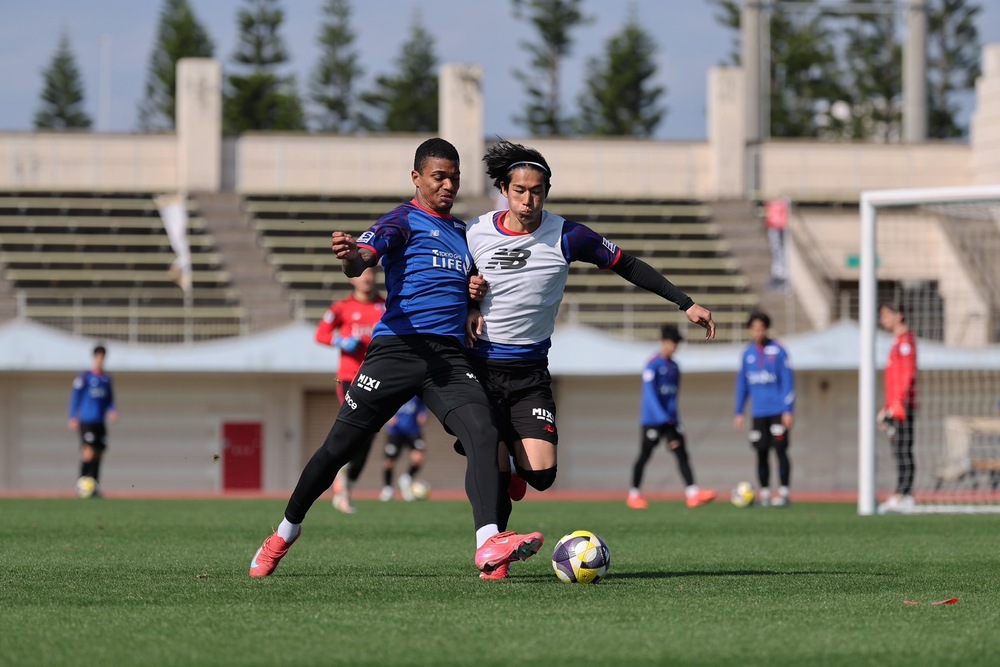
On this day, it was just before starting the tactical menu. Coach Rikizo MATSUHASHI asked, "How many points will Teruhito NAKAGAWA score (in these few minutes of practice)?" and "How many times will Takahiro KO take the ball away?" He had each player set specific goals. Thanks to the coach's approach, unlike the previous day when mistakes were frequent, the players became proactive by working backwards from the goals, leading to good coordination.

There was also a tense atmosphere during practice, with harsh voices exchanged among the players. At the end of the practice, the coach reflected, saying, "The tense air is always present among us and is a normal thing; I think it is important for fighting."
"So what about individuals? By each person playing with specific goals, the quality changed dramatically. In that process, a sense of responsibility and tension also emerged. (At the end of the camp) I think it was tough, but they pushed through. I am grateful for that."
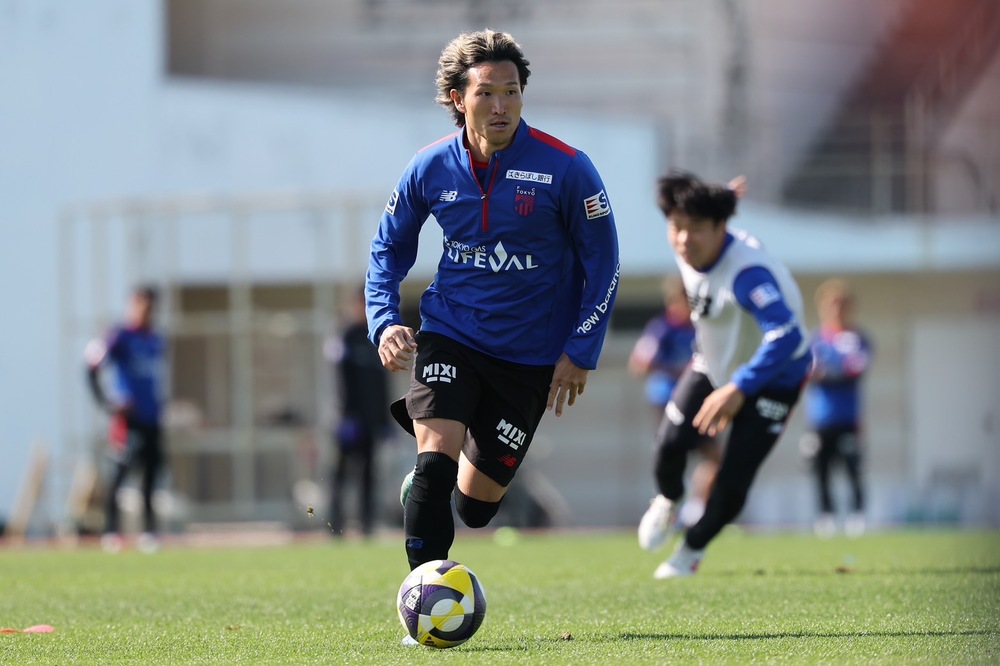
Not only the systems and tactics, but also the mindset and approach to practice have changed. It was a day that strongly conveyed this to those around us.
FOCUS ON
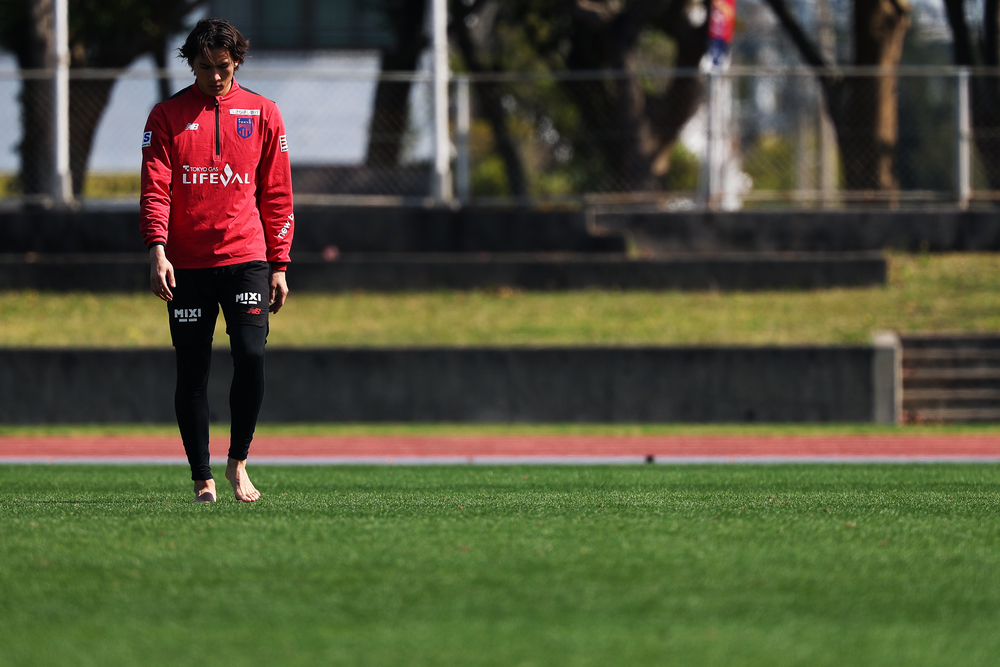
The official photographer selects camp photos for the project "FOCUS ON." On the 6th day of the Okinawa Itoman camp, a photo was chosen capturing Taishi Brandon NOZAWA, who continues to train until the very end every day in his hometown of Okinawa. On this day as well, he remained on the pitch until the last person, looking reluctant to leave. Since his rookie days, he has always said, "I want to get better," pouring sweat into his training. This has not changed even after being selected for the Japan national team last year. There is no end to his great ambition. Taishi's endless journey will continue from here on.
CAMP VOICE vol.16 Keigo HIGASHI
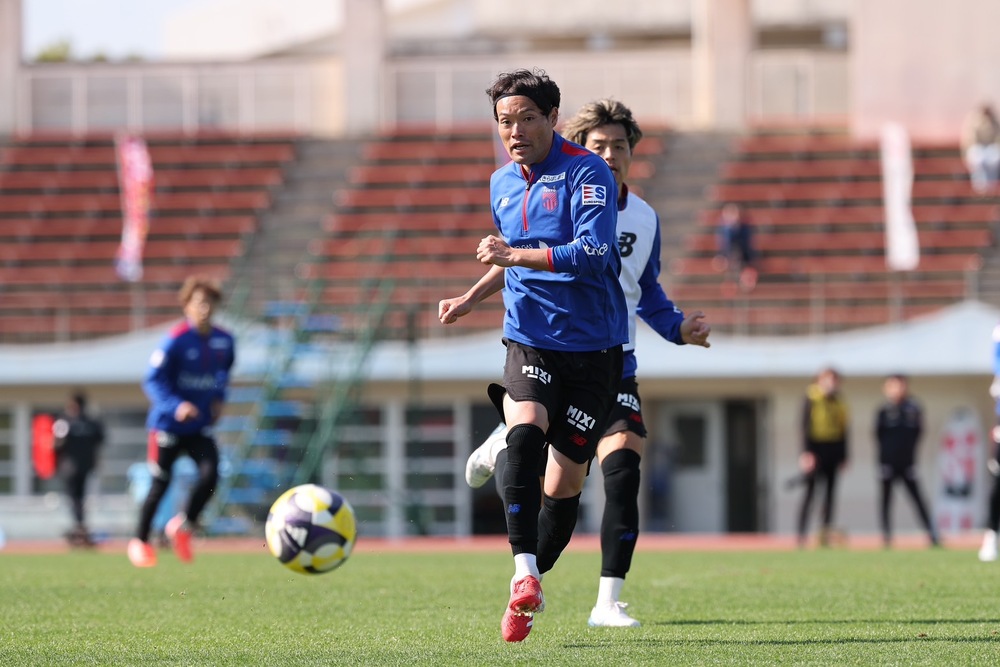
There is a familiar sight at this camp. From the beginning of the camp, Kei KOIZUMI has been learning how to kick from Keigo HIGASHI. Gradually, the effects have started to be seen in both practice and matches. As the days went by, more and more players began to join in. On the sixth day of the Itoman camp, Takahiro KO and Kouta TOKIWAKI also joined, and it completely transformed into the 'Keigo Academy.' We spoke to the academy head, who wears the number 10 jersey.
Q: The extra practice that started with player Koizumi is gradually expanding. There have been instances where good passes have come from player Koizumi.
A: I had been telling Kei KOIZUMI since last season, but perhaps he himself couldn’t quite visualize it. However, he thought it was necessary for him and said, "Keigo-kun, I want to do it," so I openly accepted that. Although we are rivals competing for the same position, if there is something learned or something to teach, I want to share it with everyone. Players with high work rates like KOIZUMI and Takahiro KO need to focus on the quality and flavor of their play and passing when considering their future football careers. As they age, their range of play will expand, so I think it starts with making them aware of that. They have to grasp the final feeling themselves, but I can convey the timing and way of thinking. Since we have fast players up front, I definitely think it’s better to have more players in midfield who can deliver good passes.
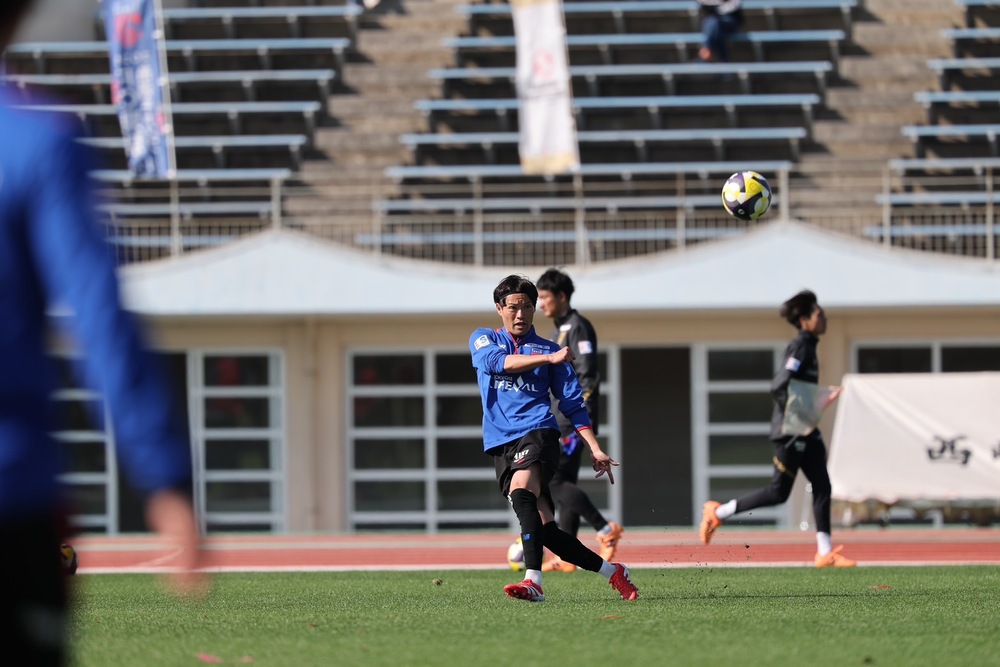
Q. For example, if player Koizumi is used not only as a defensive midfielder but also as a fullback like last season, it will increase the number of passers and be a significant advantage for the team.
A. I have talked about that with player Koizumi as well. If he can play like a false fullback and come inside centrally, then delivering a vertical pass behind the opponent from there will really bother them. Players like Takahiro and Tokiwa still have a long way to go, but if they don’t practice, their options won’t increase. On the other hand, if they do practice, they can kick with confidence, so I told everyone, "Let’s work on this this season."
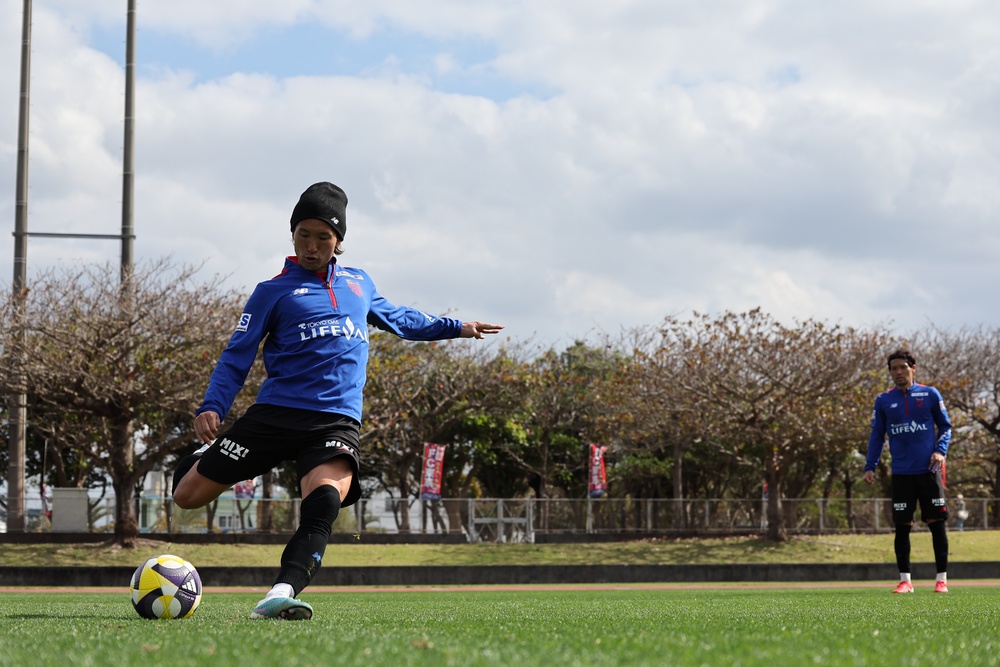
Q, it can also lead to nurturing your own rivals.
A. When the level of your rivals rises, the things you need to do increase, which also leads to your own growth. Although our strengths differ, if we can do similar things, I start thinking about what to use as my next weapon. That is also an opportunity for myself, and I actually want to teach them. Besides, they have asked me to teach them, so saying "No way" would be lame (laughs). They say that because they want to grow. It’s not forced, and I’m really happy to see their desire to learn and improve. If that’s the case, I will teach them openly without holding anything back. It’s fun, after all.
Text by Kohei Baba (Freelance Writer)