

1/15 Training
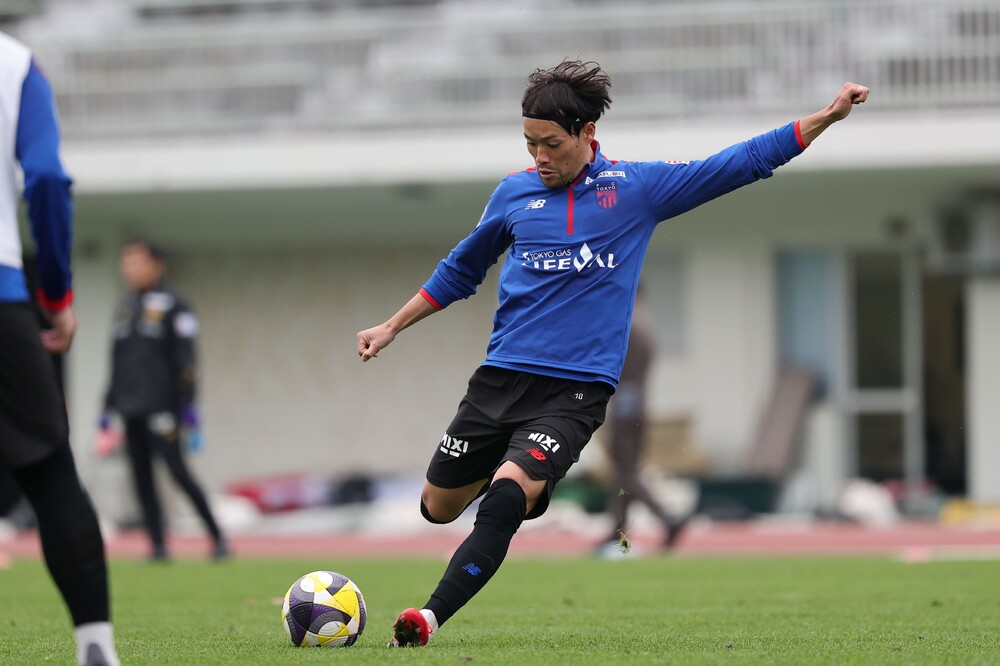
On the 15th, the fourth day of the Okinawa Kunigami camp, the team practiced in the morning at Kaigin Field Kunigami and strengthened their bond through team building in the afternoon.
One of the characteristics of Coach Rikizo MATSUHASHI's training sessions is that each one incorporates tactical essence. In the 2-on-2 practice held that day, the goals were placed diagonally to enhance awareness of defensive sliding.
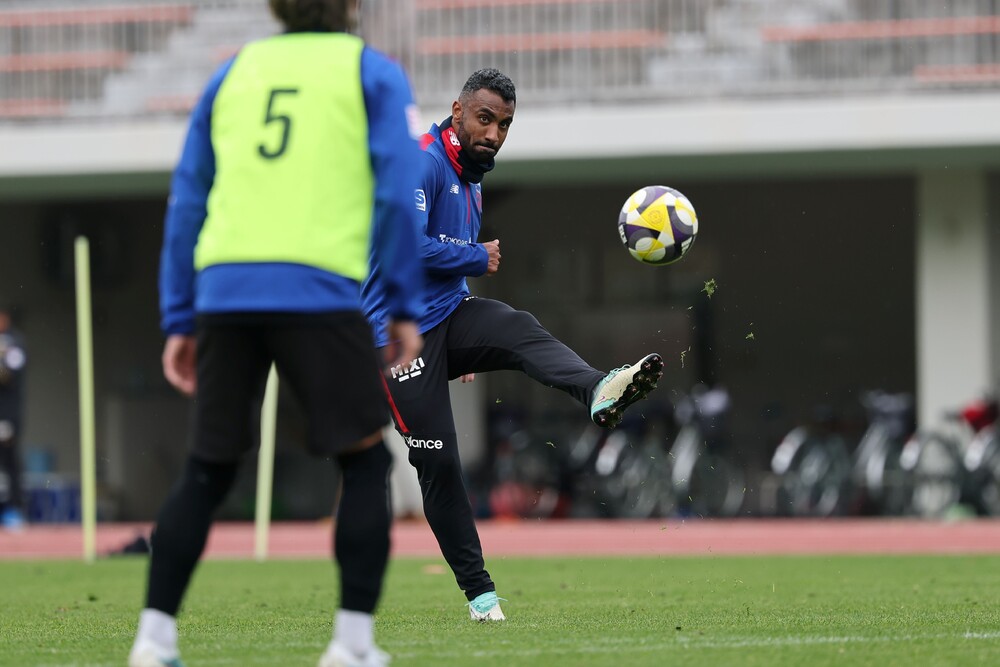
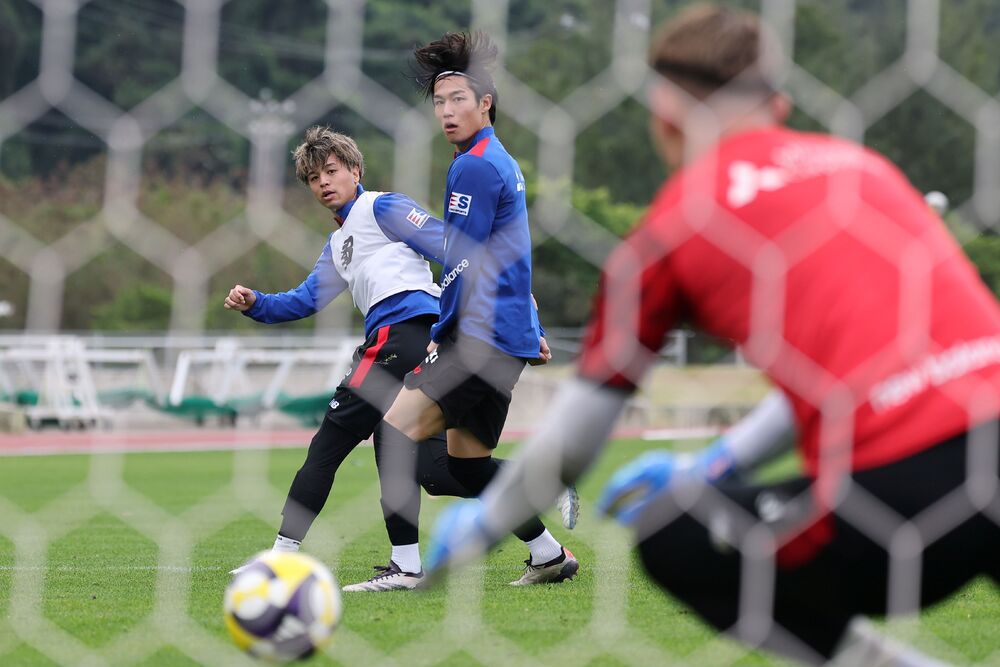
Up to this point, all players are on equal footing, and there is no division between the main and substitute members during practice. Each individual is given equal opportunities to maintain high motivation, work towards the same direction, and share the same goals. Additionally, from the perspective of conditioning, it is said that this policy is intentionally implemented.
All players and staff are in sync, creating a new Tokyo in the tropical land.
FOCUS ON
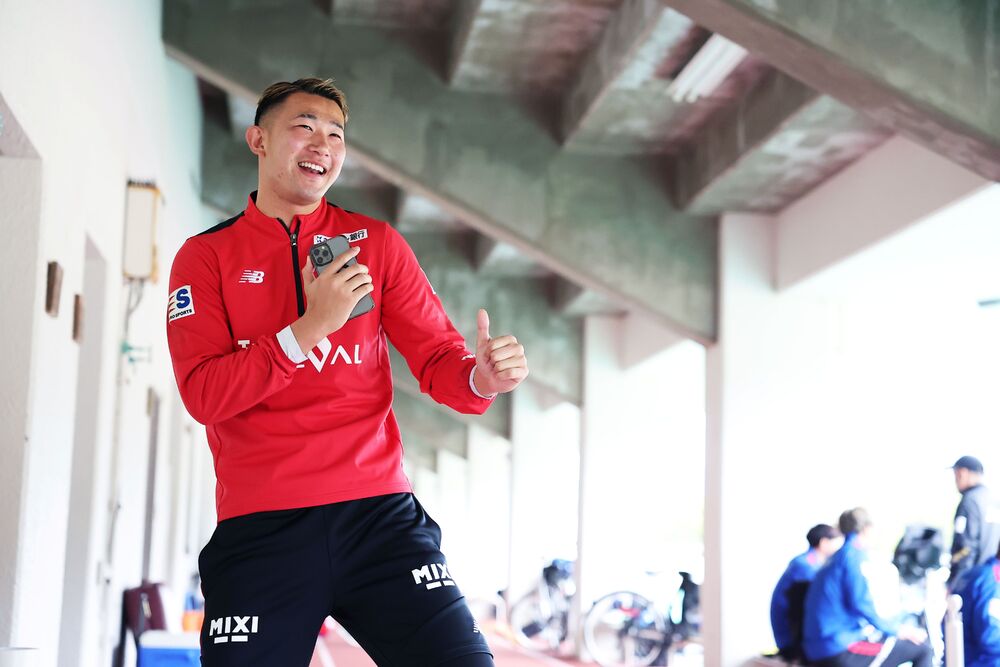
The official photographer captured this shot of "FOCUS ON" featuring Go HATANO, also known as "DJ GO", on the fourth day of the Okinawa Kunigami camp. With his song selections, he has boosted morale before practices and provided relaxation after them. It seems a rival has emerged for DJ GO. That rival is Ewerton GAUDINO, known as "DJ EVE", who loves samba and bossa nova. Scenes of intense competition over song choices have become a daily occurrence at this camp.
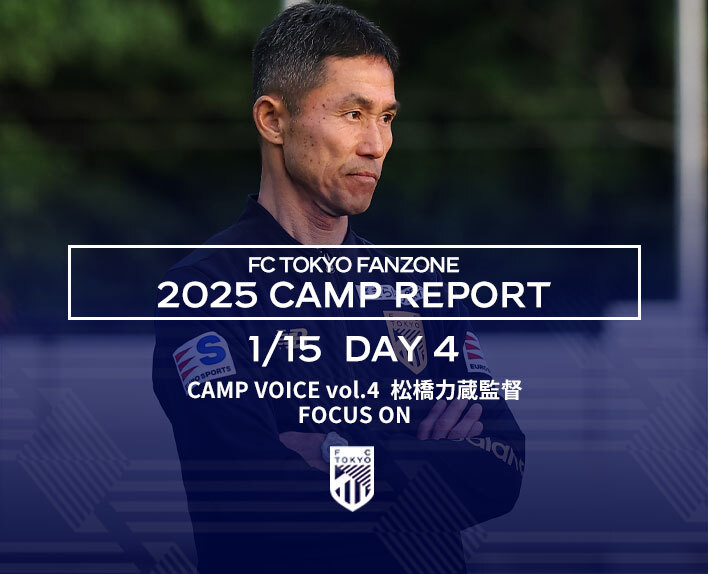
CAMP VOICE vol.4 Rikizo MATSUHASHI Director
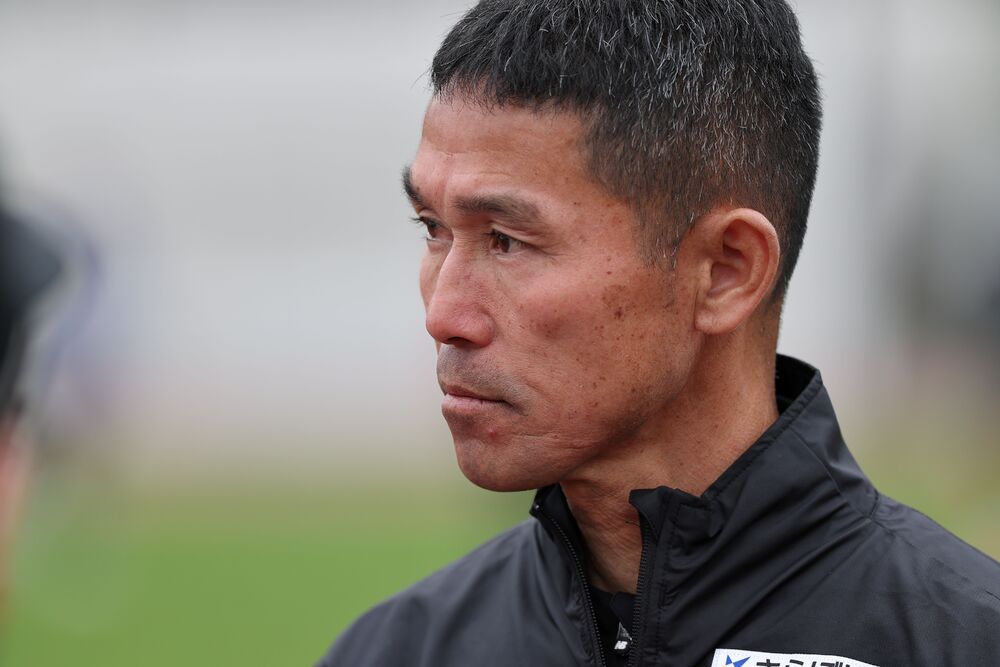
The Okinawa Kunigami camp has completed its fourth day, and the new contours of Tokyo, as sought by coach Rikizo MATSUHASHI, are gradually beginning to take shape. After the morning practice on this day, we spoke with the new coach about the training so far, as he seeks "technical aspects."
Q: In this camp, we are asking the players to take initiative. During practice, I was encouraging them to "surpass my ideas."
A: It’s not that I’m using myself as a standard to say whether they have surpassed me or not. I want them to bring out their true abilities first, and if I have any suggestions, I communicate with the players (sharing ideas and advice), and then they use that to figure out how to surpass themselves. They must not stop their growth. However, growth is not always a straight upward curve, so I want them to fully understand that there will be ups and downs and take even a small positive step forward. I hope to be of help in that process.
Q: It seems that all players are given equal opportunities in every session.
A: I believe practice should be equal. There are limits to this, and depending on the content, it may not always be the case. However, to work together in the same direction with the same purpose during the camp, opportunities should be given equally. This also involves a physical approach that is mindful of conditioning. We are currently working with this intention from both technical and tactical perspectives. Since the players are fully aware and working hard to maintain their motivation, we also feel that we must respond accordingly.
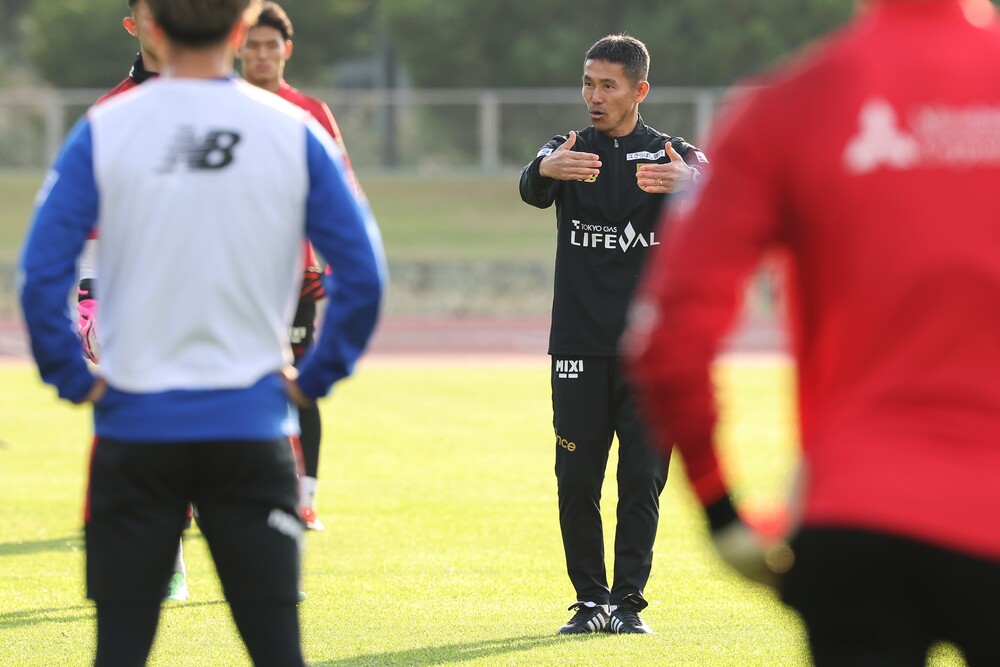
Q: From the beginning of the camp, we have been talking about responding to good plays with good voices.
A: We might be noisy right now, but if that turns into the players’ voices, I think it will become something really good. Of course, this world is not that easy. There may be times when harsher voices become more frequent during practice. I am not criticizing or denying such coaching. I believe it is something that makes the team better. Of course, atmosphere is important, and ideally, it would be nice to have a clean, stable, and good atmosphere, but I think our world requires us to face the opposite atmosphere just as much. This is not only true in the world of soccer but also in the business world, and we are not just smoothing things over with platitudes. When such strict feedback arises and can be properly accepted, I believe that kind of atmosphere will lead to something even better.
Q: It seems that there are many training sessions designed for each individual to incorporate tactics, starting with 2-on-2 drills to instill the awareness of sliding.
A: I don’t stop practice very often. I do stop and give instructions when necessary, but I think it’s important to try to address errors that prevent players from doing what they want to do while allowing them to do as much as possible within the flow of movement. We are experimenting with how to organize and segment this. There is still a lot to share with everyone, and we’re not in a big rush just because a practice match is approaching. The players are fully committed, so rather than focusing on how far we should go according to my own ideas, I think their level of engagement and such things are more important right now. Gradually, we are incorporating the essence of tactics and agreed-upon points into the training, and I believe that once this permeates and becomes ingrained in everyone, it will naturally flow in that direction without the need for formal lectures or meetings explaining “this is how it is.”
Text by Kohei Baba (Freelance Writer)