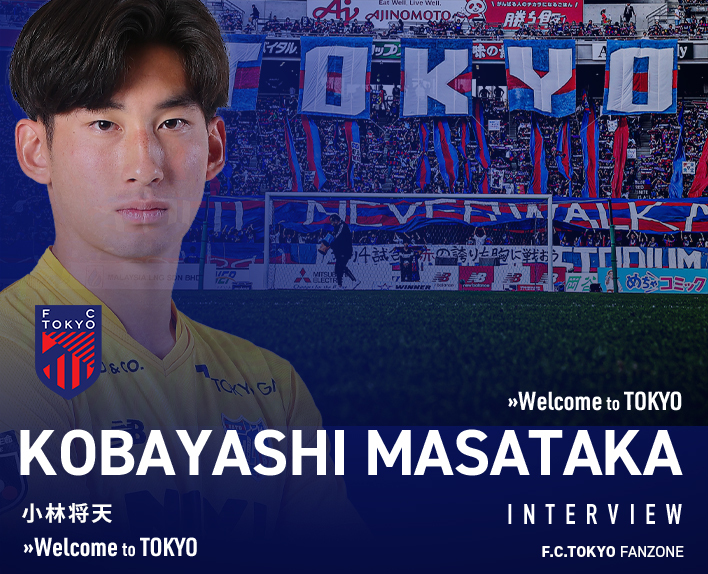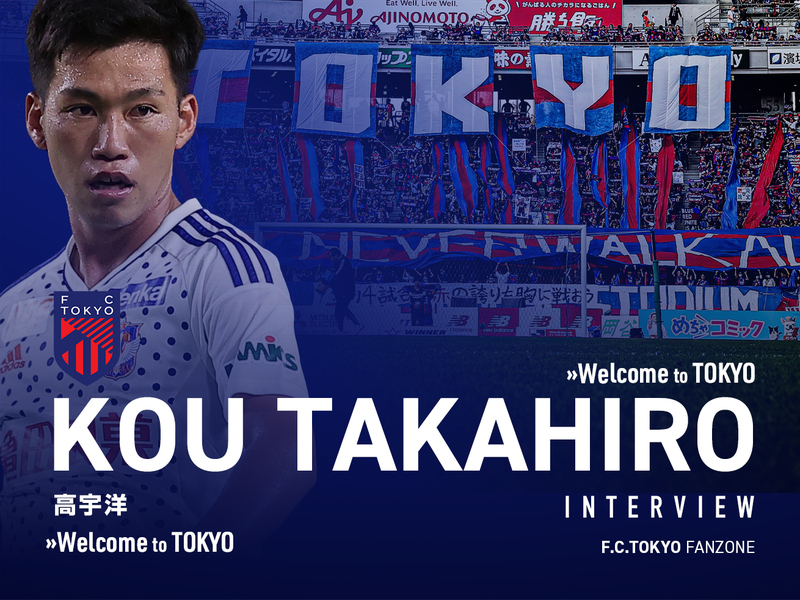


Takahiro KO, a former Chinese national team defender and father of respected father, once belonged to a rival team across the Tama River and competed against the King of Tokyo. His son, Kindergarten, bid farewell to the city of Niigata where he spent three years and will now wear the blue and red sleeves from next season. The man who says "I want to win more than anyone else" holds even greater ambitions and has made a big decision. From here, he will take one or two more steps up.
Q, Please tell us your honest impression when you received an offer from Tokyo.
A, I honestly felt happy. I received the offer early on, spoke directly with the strengthening department, and felt a lot of enthusiasm. I was glad because it is a club with history and tradition in the capital.
Q, What was the deciding factor for you?
A, it was definitely the enthusiasm. I truly felt that they really wanted me to come to Tokyo. Also, I resonated with the club’s goal of winning titles in the future. I want to win titles too, and to reach a higher stage, I thought this was the right timing to accept this offer.
Q, You also served as vice-captain at Albirex Niigata, and I believe it was a team you had a strong attachment to. Was there any change in your feelings that led to the decision to leave?
A, I played for three seasons in Niigata. During that time, I was able to participate in many matches, and I truly feel that the club helped me grow both as a player and as a person. It is the club I have the strongest attachment to so far, but somewhere inside me, there was a desire to change my environment once more, to dive into competition from scratch and grow even further. Although I still feel a bit of sadness now, this was a decision I made myself, and I want to give it my all.
Q, what feelings did you value in making this decision, and do you have any plans for the future?
A, It was a decision to grow one or two levels further from here and become a player with a larger scale. At the timing when I reached that thought, I received an offer from Tokyo, and the club's goals and enthusiasm aligned with mine.
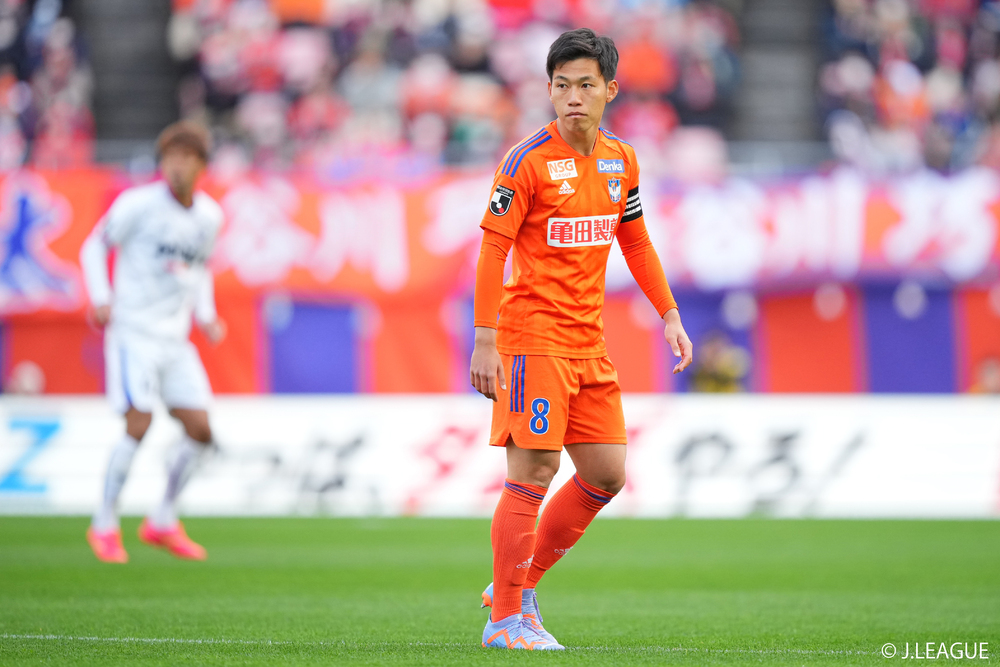
Q, please tell us your strong points.
A, I believe my greatest strength is in winning the ball. Along with that, I consider my ability to anticipate plays to be a key asset. When asked what kind of player Takahiro KO is, I think the first thing to express is his ability to win the ball. I believe that is where my value and weapon as a player lie. However, in today's game, defensive midfielders are expected to do many things. A player who can win the ball, then connect passes, and also move forward. I always want to be a stable and intimidating player for the opponents.
Q, What is the area where you feel you have grown the most during your three years in Niigata?
A, it is in the area of offense. I believe I have grown in build-up play and in constantly being involved with the ball. Not only in my self-assessment but also in evaluations from others around me, I am often told that I have truly improved.
Q, Gamba Osaka U-23 and Niigata have played with the captain's armband. How do you want to contribute your leadership and leadership skills?
A, I personally don’t think I am very suited to being a captain (laughs). However, when I was with Gamba Osaka U-23, the coach Tsune-san (Tsuneyasu MIYAMOTO, currently Executive Director of the Japan Football Association) gave me the captain’s armband, and both Renofa Yamaguchi FC, where I was on loan, and Niigata also gave me opportunities to play wearing the captain’s armband. I don’t think I’m suited to being a captain myself, and honestly, I’m not sure if I’m the kind of player who can lead the team. But I do have a really strong desire to grow, to help the team win, and not to lose to the opponents. I am conscious of this even during regular practice, and I believe that shows in my play.
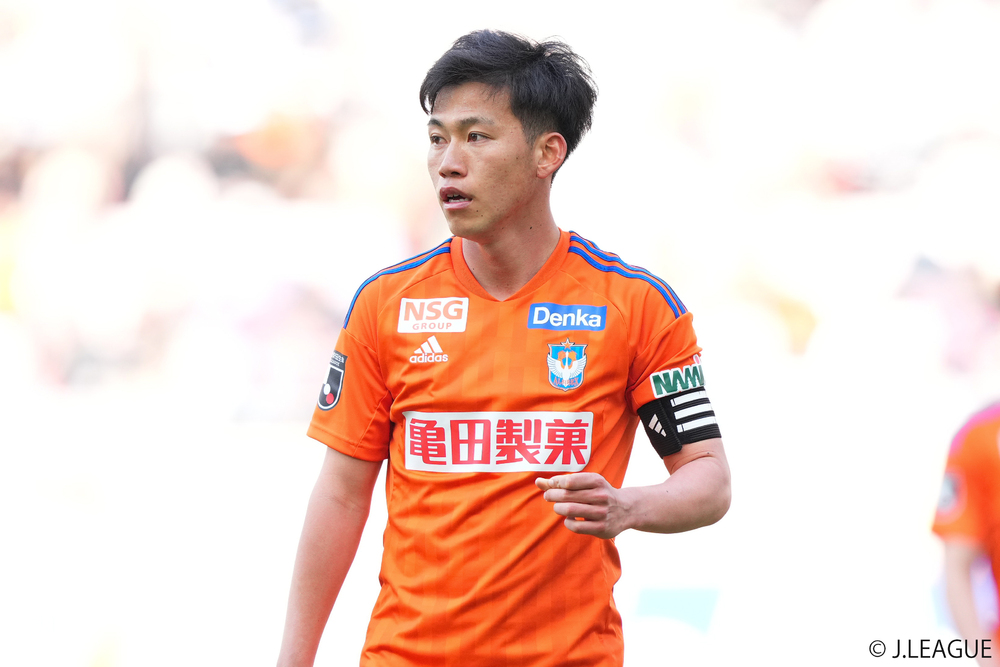
Q, There is also an impression that you have been expected since your time at Funabashi Municipal High School and have stepped up from the J3 League to the J1 League. Looking back on your career, what do you think has been your journey?
A, There were more difficult times than good ones. Especially after graduating from high school and joining G Osaka, I played for the U-23 team, but I struggled a lot. My classmates from Funabashi Municipal High School, Daiki SUGIOKA and Teruki HARA, were doing well, and Daiki KANEKO also quit Kanagawa University after one year and joined Shonan Bellmare. Each of them was active on the J1 League stage and was selected for the youth national teams. While everyone was moving forward, I felt like I was the only one being left behind, which was frustrating. At G Osaka, I played in just under 20 J1 League matches, but at that time, I really lacked confidence in myself while playing.
I wanted to change myself, so I transferred to Yamaguchi on a temporary basis and sought a stage to shine in Niigata, which was in J2 league at the time. I thought "I have no choice but to keep going", so I wanted to play more games in order to become better and felt that I had to truly grow. Coming to Niigata, we won the J2 league last season and were promoted to J1 league. This season was the first time in a while in J1 league, but compared to my time at G Osaka, I truly felt confident and was able to finish the season with a sense of accomplishment. I believe that the results of my continuous efforts are showing now.
Q, Please tell us what supported you during difficult times.
A, I cherished the words of Takuzo Asaoka, who was the coach at Funabashi Municipal High School. "If you keep working seriously, someone will definitely be watching." I was told that, and I had no choice but to believe it and keep trying. Those words have been very significant to me.
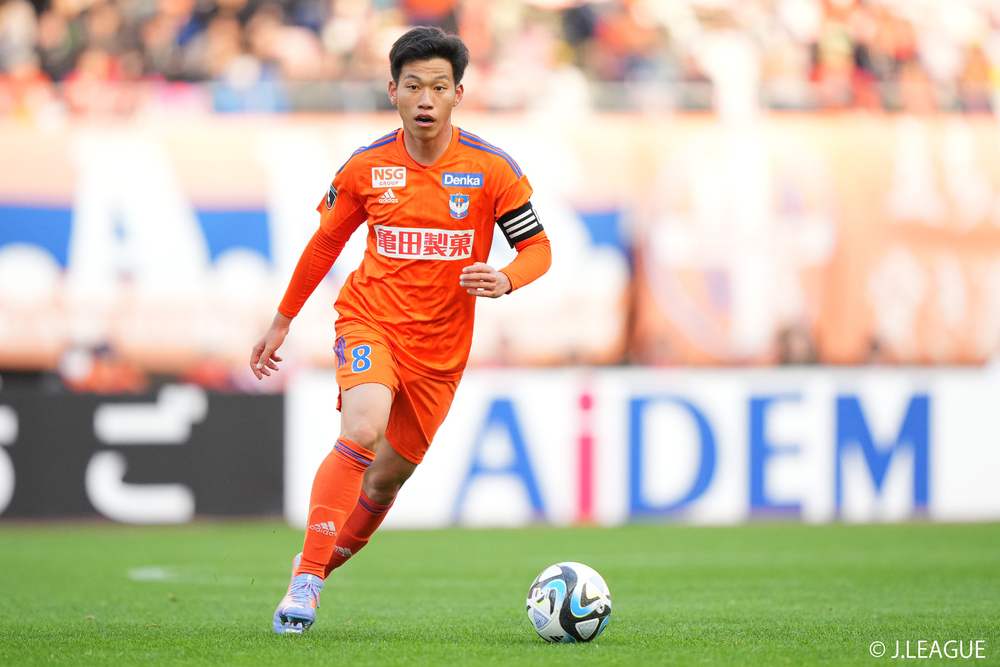
Q, What was your impression of Tokyo?
A, In my first professional season, I was coached by Kenta HASEGAWA, then at G Osaka (now the manager of Nagoya Grampus). Since the following season, when Kenta-san became the manager of Tokyo, that image has remained strong, giving me the impression of a fighting team. In recent years, the style of soccer seems to have changed a bit, but there are many outstanding players who represent Japan, and I think it is a big club.
Q, Having played two matches this season, what impression did you have?
A, I have a very strong impression that there are many players with strong individual abilities in each position. The intensity of play was also high, and this season, Niigata had a record of one draw and one loss against Tokyo, leaving the impression that we couldn’t secure a win.
Q, Tokyo is a club that has embarked on major transformations over the past two seasons. You are about to join them, but do you have a desire to enjoy those changes?
A, that is both a challenge and an enjoyable aspect. I believe the style and direction are currently undergoing changes. At this stage, I envision playing by leveraging my own strengths and the experiences I have accumulated so far. I want to effectively adjust my strengths to Tokyo's team tactics.
Q. Are there any players who left an impression on you when you played against them, or players you would like to talk to?
A, Teruhito NAKAGAWA scored against me in the first half of this season's league. He is an outstanding player who has won MVP awards and titles with Yokohama F.Marinos and has also been selected for the Japan national team. Since NAKAGAWA also came from Kawasaki Frontale's academy and I played there up to the junior youth level, we have that in common, so I would like to talk with him.
Q, how do you feel about Tokyo's soccer style?
A, I faced them in the J1 League this season as well, but when they were managed by Montedio Yamagata, I have the strong impression that it was really tough to play against them. Their transitions are quick, and rather than a solid defense and quick counterattack style, I think they tend to maintain possession of the ball relatively more. However, when we faced Tokyo this season, I understood that they were probably challenging that style, but it also felt a bit congested. When I received the offer and talked with them, they said they want to develop that kind of soccer going forward, and I want to bring out my strengths while moving the ball effectively there.
Q, Are there any players currently on Tokyo's roster with whom you have a close relationship?
A, I really don’t have any (laughs). I played with Keita YAMASHITA for half a season in Yamaguchi. I have acquaintances on other teams, but when Tokyo came to Big Swan, I didn’t know anyone there either, so I didn’t talk to anyone (laughs).
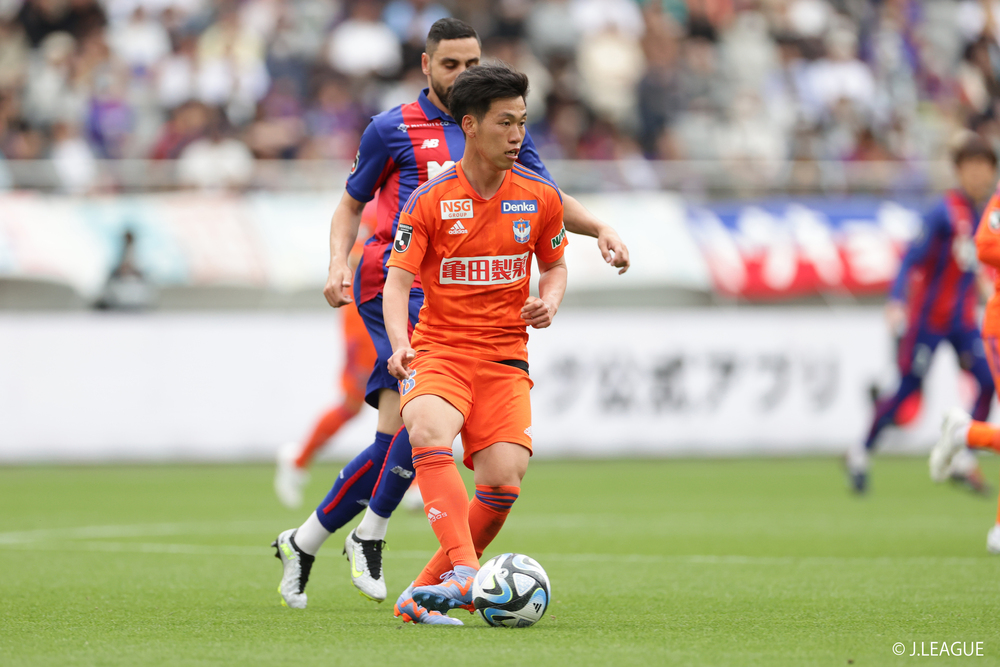
Q, Please tell us about Mr. Takahashi's father. What was the reason for starting soccer and who did he mention as someone he respects? What kind of person is he and how did he learn soccer?
A, he is the person who taught me soccer and gave me soccer. If you look him up, you will find out that he was a professional soccer player and also played for the Chinese national team. People who knew him back then said he was truly an amazing player. Unfortunately, I never got to see him play live, but when I was in elementary and middle school, playing ball together in the park, his skills were really impressive. His positions were center back and defensive midfielder, and he was tall and physically strong. His technique was also excellent, and when I asked coaches who knew my father from back then, they said he was truly a wonderful player, so I respect him greatly.
Q, Did you consult about the transfer to Tokyo?
A, Of course I did. He said, "That's great." I heard that during his time at Fujitsu, he played against Tokyo Gas, the predecessor of Tokyo, and he said that a foreign player broke his nose back then (laughs). I’ve forgotten the name though...
Q, Could it be Amaral?
A, Yes, that's the player. He said he had his nose broken by him.
Q, how do you feel about wearing the uniform of a club across the Tama River, rather than Kawasaki like your father?
A, Since I was in Kawasaki's junior youth team, I used to go to Todoroki Stadium to watch the Tamagawa Clasico. It’s a match that draws a large crowd, and back then, I was supporting Kawasaki, so I’m sure I was booing (laughs). However, it’s been many years since I left Kawasaki, and now I want to stand on that stage and compete as a Tokyo player.
Q, This season marks Takahiro's own challenge to return to the J1 League, and I think his soccer career is finally beginning to see the light again. What kind of year do you want to make the 2024 season?
A, In Tokyo, my new home, the environment has changed, and the competition starts from scratch. I want to express myself from the very beginning and also take over a position. I aim to be central, playing in many matches and making my presence felt both offensively and defensively as an individual. I want Tokyo’s fans, supporters, and J.League opponents to say that Takahiro KO is the defensive midfielder for Tokyo. If that comes true, I have a strong desire to challenge for the team’s goal of winning a title.
Q. What are your impressions of Ajinomoto Stadium and Tokyo's fans and supporters?
A, even while playing, I could really feel the fans and supporters filling the stadium, and the atmosphere was wonderful. I got the impression that the passion of everyone in Tokyo came through strongly.
Q. Then, please give a message to the fans and supporters of Tokyo.
A, I am really looking forward to wearing Tokyo's uniform and playing at Ajinomoto Stadium starting from the 2024 season. I am a player who is very hungry for victory myself, so I want to express that through my play. Please give us your passionate support. Let's fight together!
Text by Tadashi BABA (Freelance Writer)